
Recommended Aluminium Thickness For Flatroof Construction In Nigeria.
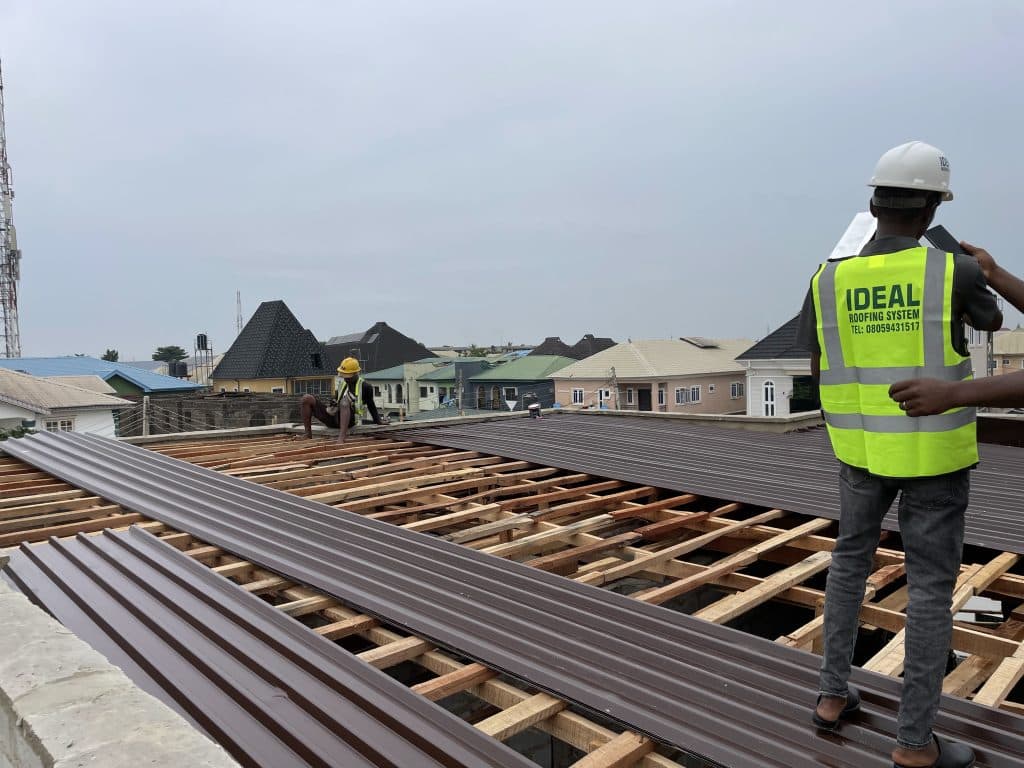
Choosing the right aluminium thickness for flat roof construction in Nigeria is one of the most important decisions you'll make when roofing a building. With heavy rainfall, high temperatures, and increasing construction costs, using the wrong sheet thickness can lead to leakage and very expensive repairs.
In this guide, we'll break down the best aluminium thickness for flat roofs, what works in Nigerian conditions, and how to avoid costly mistakes.
What Is the Best Aluminium Thickness for Flatroof in Nigeria?
For proper flat roof or low-slope roofing systems, to avoid leaks, the recommended aluminium thickness is:
- Minimum: 0.45mm Caliper Grade
- Ideal (most buildings): 0.55mm Caliper grade
- Heavy-duty / long span: 0.65mm – 0.70mm Caliper Grade
In simple terms: Anything below 0.45mm caliper grade is too light for flat roof applications in Nigeria.
Also Read: Difference Between Market Grade and Caliper Grade Aluminium
Why Thickness Matters More for Flatroofs
Unlike pitched roofs, flat roofs face more structural stress. Here's why:
1. Water Retention
Flat roofs don't drain water as quickly, especially during Nigeria's heavy rains. Thicker aluminium helps resist bending and deformation.
2. Load Pressure
Flat roofs often carry:
- Water weight
- Maintenance traffic
- Debris accumulation
Thicker sheets provide better load resistance.
3. Solar Panel Installation:
In a world where everyone is pivoting towards energy savings, solar panel installation has become increasingly popular for Nigerians.
Inexperienced roofers have advised most clients to avoid using solar panels on flat roofs without providing any explanation as to why.
The true reason is because when some quack roofers are offered money to buy these materials, they end up coming to the site with aluminium materials whose thickness is less than the true thickness that the client paid for. As a result, they understand that climbing the roof for any sort of fix will lead to leaks and this is why they are up against it.
We usually advise clients hoping to use solar panels on their flat roofs to go for 0.55mm caliper grade as the thickness can withstand any load placed on it.
Important Factors Beyond Thickness
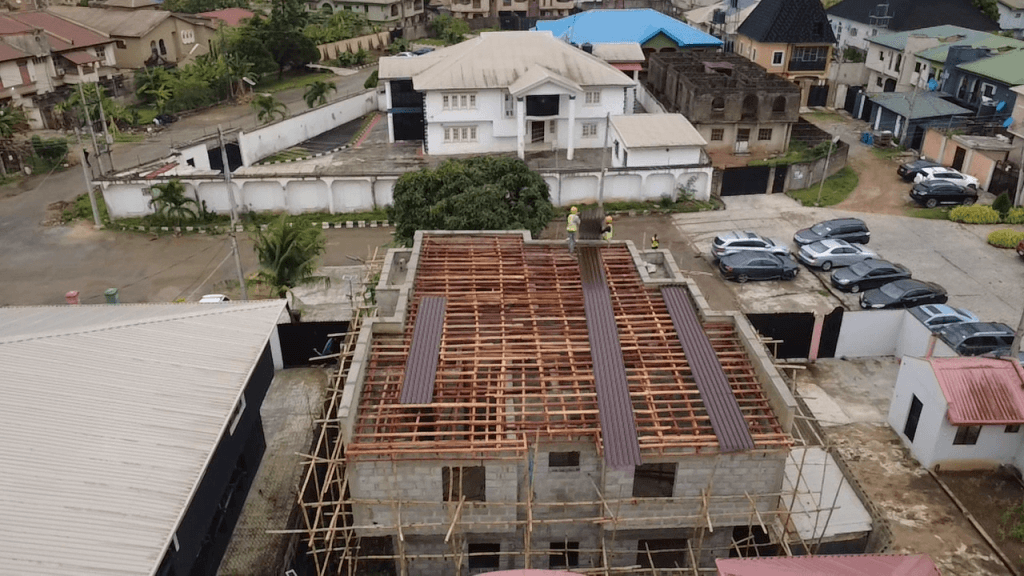
Many homeowners and by extension property developers focus only on sheet thickness, but these factors are equally important:
1. Proper Roof Slope
Even "flat" roofs should have a slight slope:
Recommended: 1° – 3°
Slopy roofs help to prevent water pooling and leakage
2. Strong Structural Support
Your aluminium sheets are only as strong as the structure beneath them:
Use closer purlin spacing
Using closer purlin spacing helps the long span aluminium roofing sheet to lap properly. This is also why the Normal Design—which comes in 0.9m width—is the go-to aluminium longspan design for flat roof construction.
3. Quality of Aluminium Material
Not all aluminium sheets are equal. Low-quality sheets may:
- Be thinner than advertised
- Fade quickly
- Corrode faster
Always buy from a trusted supplier, such as Ideal Roofing System, as we hope to earn your trust.
Common Mistakes to Avoid
- Using materials that are not caliper tested to be above 0.45mm sheets for flatroof
- Ignoring the drainage slope
- Wide spacing between supports
- Choosing price over durability
These mistakes often lead to roof failure within a few years.
Cost vs Durability: What Should You Choose?
Many builders try to save money by choosing thinner aluminium sheets. However:
Thinner sheets = lower upfront cost
Thicker sheets = longer lifespan + fewer repairs
In Nigeria's climate, 0.55mm caliper graded aluminium offers the best balance between cost and durability.
Final Recommendation
If you're building a flatroof in Nigeria:
Go for at least 0.45mm caliper graded aluminium sheets
Upgrade to 0.55mm caliper grade or higher for large or commercial buildings and if you can afford it for your residential building.
Never go below 0.55mm market grade
This ensures:
- Stronger roof structure
- Better resistance to rain and heat
- Longer lifespan
Need Help Choosing the Right Aluminium Roofing?
If you're unsure about the right thickness, spacing, or cost for your project, it's best to consult a roofing expert before installation.
A small mistake in roofing can cost millions later—so it pays to get it right from the start.
Also Read: Roof Restoration Process and Tips
| Feature | 0.55mm Market Gauge | 0.55mm Caliper Gauge |
|---|---|---|
| Durability | Lower; prone to denting | Superior; resists warping |
| Best Use | Budget/Temporary structures | Permanent homes/Luxury builds |
| Leak Risk | Higher risk of sagging | Low risk with proper installation |
| Value | Cheap initial cost | Better long-term investment |
Best Practices for Flat (Hidden) Roof Success
Beyond choosing the right thickness, ensure these steps are followed for a leak-proof roof:
- Create a Slope (Fall): A truly flat roof is a design error. Always incorporate a slope of at least 1–2% to ensure water flows efficiently toward drains.
- Professional Waterproofing: The concrete slab underneath your aluminum sheets must be professionally treated with a high-quality, torch-on bituminous membrane to prevent water seepage.
- Proper Drainage: Install adequate scuppers and internal drains, and maintain them regularly to prevent clogging during the rainy season.
- Parapet Management: Ensure parapet walls are at least 300mm high with proper damp-proof courses (DPC) to prevent moisture from traveling into the walls.
Conclusion
For any serious building project in Nigeria, 0.55mm longspan aluminum is the recommended minimum for durability and peace of mind. Investing slightly more in thicker materials today will save you from the recurring costs of water damage and premature roof replacements in the future.
Leave a comment
Leave a reply
Your email address will not be published. Required fields are marked *